







As the leaves turn and daylight shrinks, most of us think about autumn in terms of sweaters, cooler mornings, and a return to indoor routines. Beneath all of that, though, your body is going through a real physiological transition. The sun sits lower in the sky, outdoor UV exposure drops, humidity falls, and we spend more of our time in heated, closed-off spaces. These changes do more than make the world feel different. They change the conditions your body has to work within.
Why Autumn Asks More of Your Immune System
Many people assume that cold and flu season is simply a time when more germs are floating around. There is some truth to that, but the fuller picture is that the season itself alters what your body has to work with. Less sunlight means your body produces less of certain regulatory signals just as environmental demands are rising. Drier indoor air affects the hydration of the mucosal surfaces in your nose and throat, which serve as an early line of defense. At the same time, sudden shifts in temperature and routine ask more of the cells responsible for protecting you.
Despite this, the usual approach to autumn wellness is reactive. We wait until the temperature drops, our energy slips, or we start feeling run down, and only then do we reach for something to help. From a biological standpoint, that timing works against us. You don’t build cellular reserves in the middle of a seasonal challenge. You find out whether you already have them.

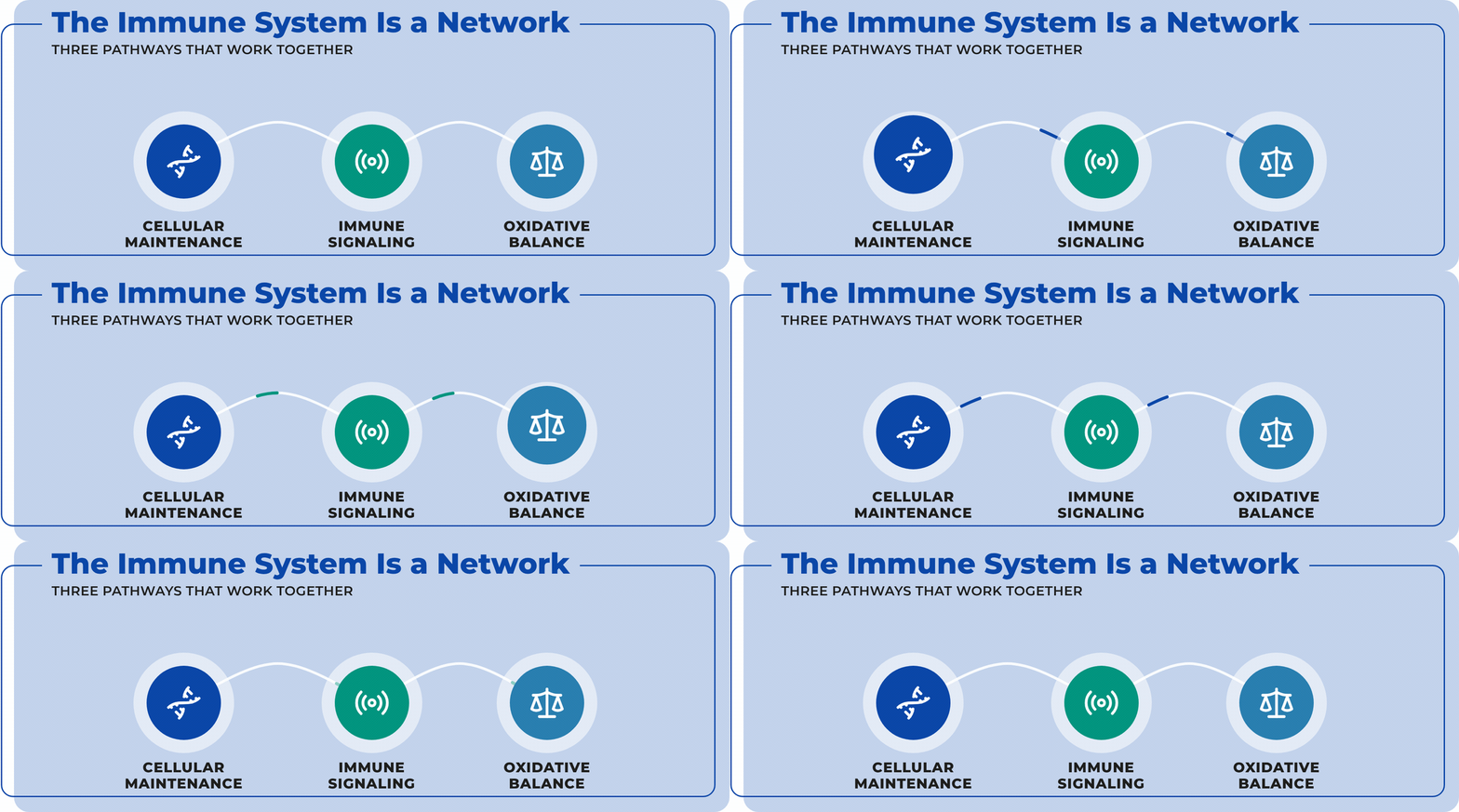
The immune system is not a light switch that flips on in November and off in April. It is a dynamic, tightly regulated network that depends on steady biochemical maintenance throughout the year.1 When nutrient intake is inconsistent, sleep is thrown off by changing seasons, or oxidative stress quietly builds up, immune performance rarely collapses overnight. It tends to erode gradually. Cell signaling becomes less efficient, white blood cells move and patrol more slowly, and the mechanisms that keep the system in balance have a harder time doing their job. Loading up on a megadose of a single ingredient after you already feel worn down is a bit like trying to refill a reservoir while the dam is already under strain.
Balance, Not a Boost
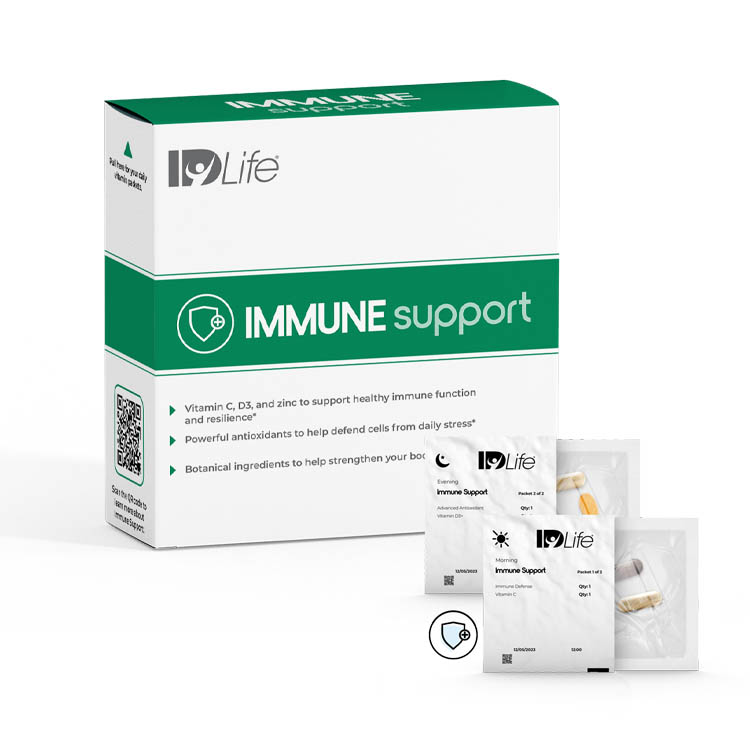
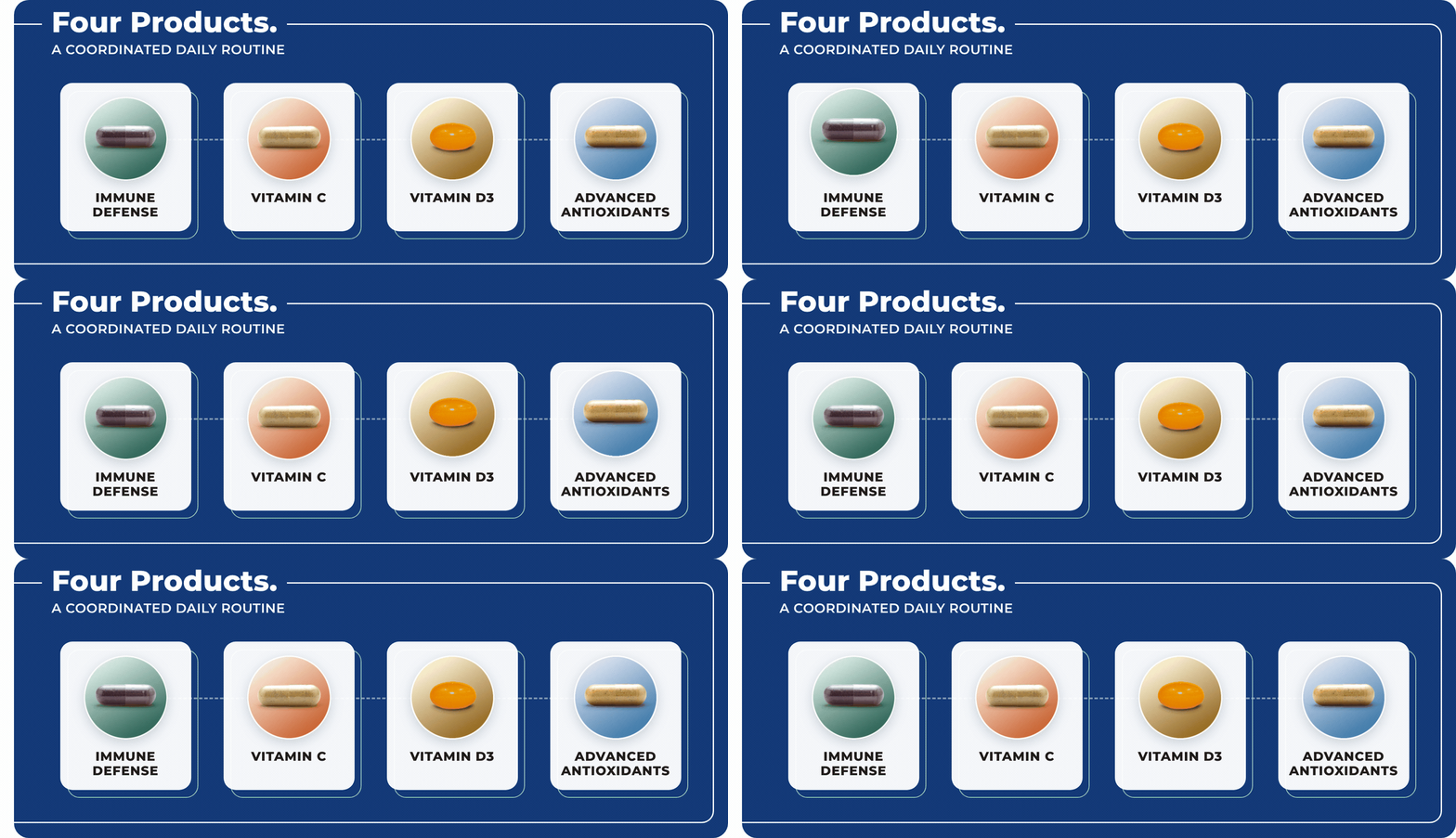
This is why the goal is not to “boost” or overstimulate the immune system. The goal is balance and adaptation, giving your cells the resources they need to stay ready day after day. Because immune function depends on several interconnected pathways, it makes sense to support them together rather than rely on one standout ingredient. That thinking is behind the IDLife Immune Support Pack, a simple daily routine made up of four products: Immune Defense, Vitamin C, Vitamin D3, and Advanced Antioxidants. Each one addresses a different part of the picture, and together they are designed to work as a team.
Product 1 · Direct immune support
Immune Defense
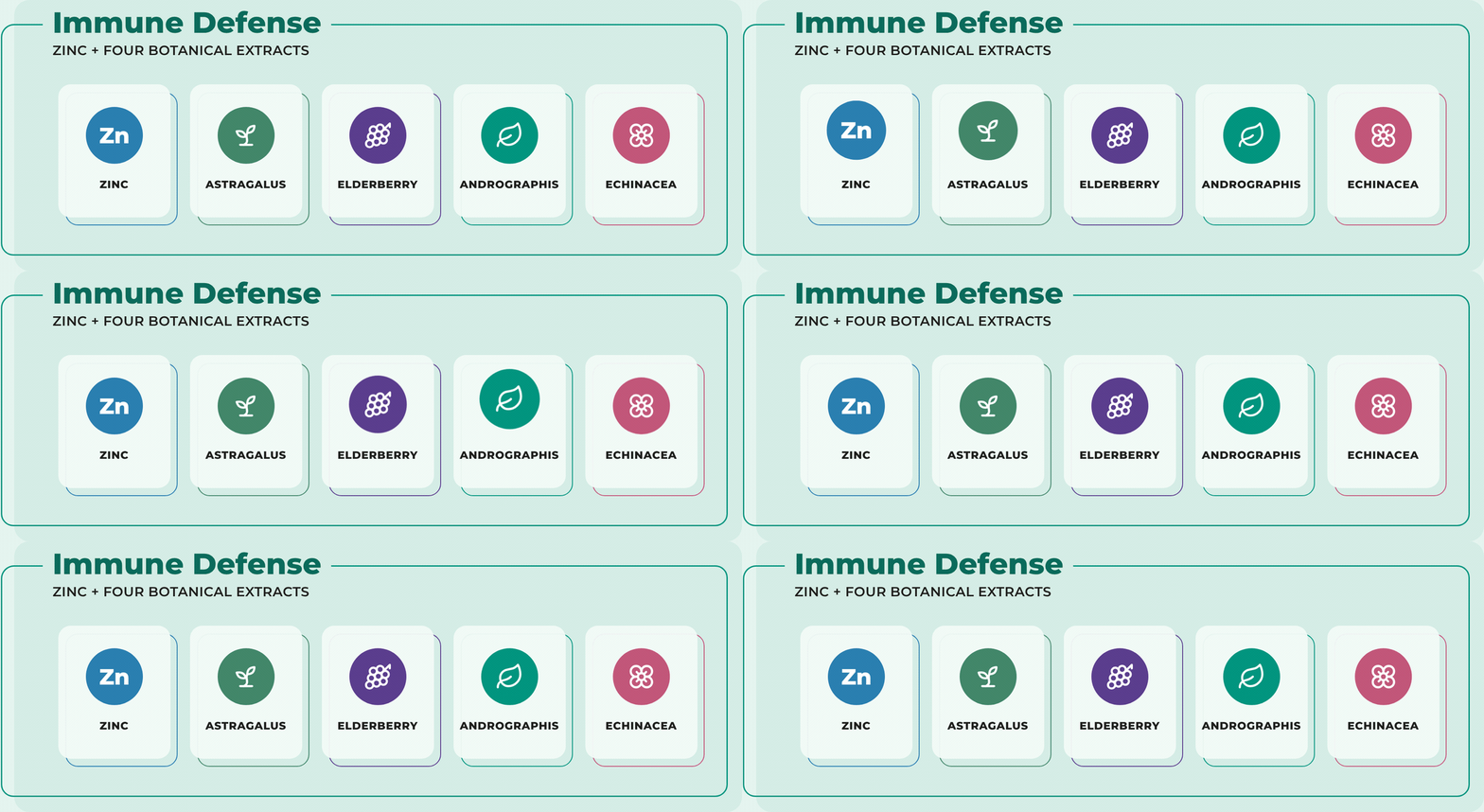
The first product in the pack, Immune Defense, features zinc and a blend of botanical extracts focused on direct immune support. The botanicals build on that foundation.
Zinc
More than 300 enzymatic reactions
Zinc is a cofactor in more than 300 enzymatic reactions and plays an important role in the development and function of innate immune cells such as neutrophils and natural killer cells, while also supporting membrane integrity when conditions change.2
Astragalus Root
Macrophage and T-cell activity
Astragalus root has been studied for its ability to support macrophage and T-cell activity, the cells that identify, engulf, and coordinate the response to outside threats.
Elderberry
Contains flavonoids
Elderberry contains flavonoids that may interfere with how viruses bind and replicate, and it has been studied for its potential to ease the severity of upper respiratory symptoms.3
Andrographis
Respiratory health research
Andrographis, widely researched in respiratory health, helps modulate the immune response and has also been studied for reducing symptom duration and severity during periods of environmental stress.4
Echinacea
Natural killer cell activity
Echinacea is associated with increased activity of natural killer cells, which act as a first wave of surveillance, responding quickly to foreign challenges before the adaptive immune system has fully engaged.5,6
Swipe for more →
Product 2 · Cellular protection
Vitamin C

Vitamin C addresses a different need. Cold weather and the stress of indoor living increase the production of reactive oxygen species, which can damage cells if left unchecked. Vitamin C concentrates inside white blood cells, where it supports their movement and their ability to engulf invaders, while also protecting them from the oxidative damage that their own activity can create.7

Product 3 · Immune regulation
Vitamin D3
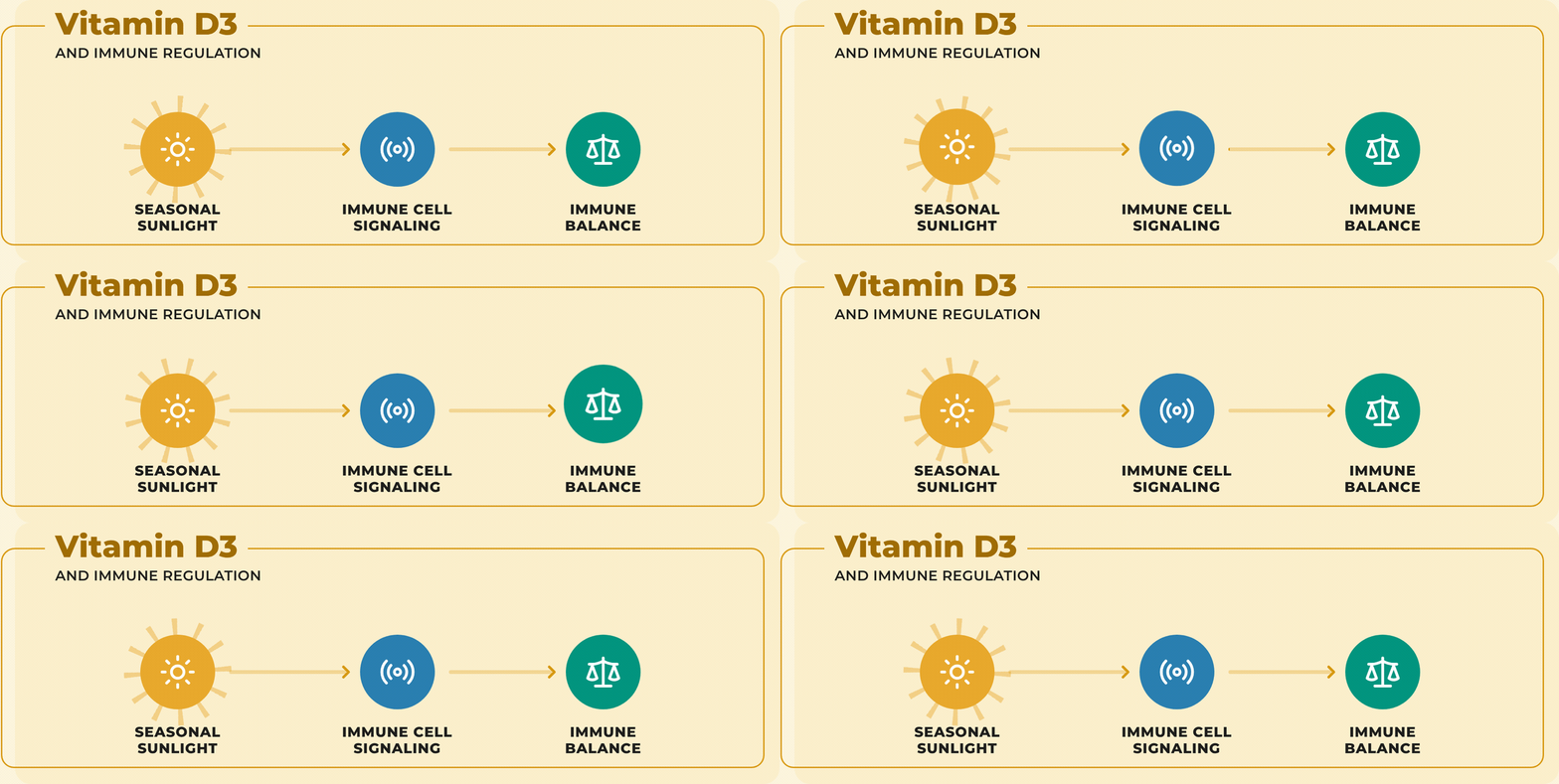
Vitamin D3 fills in the gap left by the shrinking sun. Your skin’s ability to make D3 declines sharply in autumn and winter, and its role extends well beyond bone health. In immune cells, D3 acts as a signaling molecule that helps regulate gene expression in T-cells, B-cells, and antigen-presenting cells.8 Maintaining healthy D3 levels helps keep the immune response balanced, avoiding a sluggish reaction on one end and excessive inflammatory signaling on the other.9
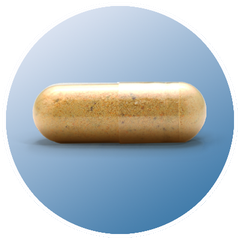
Product 4 · Antioxidant protection
Advanced Antioxidants
Finally, Advanced Antioxidants complete the pack, featuring N-acetylcysteine, better known as NAC. Free radicals produced by normal metabolism and environmental exposure can compromise the fluidity of cell membranes and the function of signaling receptors, and immune cells are especially vulnerable because their own activity generates oxidative stress.
The body’s primary defense against this is glutathione, an antioxidant made inside every cell. Glutathione production depends on the availability of cysteine, an amino acid that is often the limiting factor in how much the body can make. NAC is a well-studied source of cysteine, which is why it is widely used to help replenish glutathione. This matters for immune function because lymphocytes and other white blood cells rely on healthy glutathione levels to multiply, communicate, and respond effectively.10

NAC also has a long history in respiratory wellness, where it is known for helping thin and loosen mucus, which supports the airways’ natural clearance process. Working alongside Vitamin C, which helps regenerate other antioxidants, NAC helps neutralize oxidative stress and protect cellular integrity so that immune communication can proceed without interference.
Consistency Over Urgency
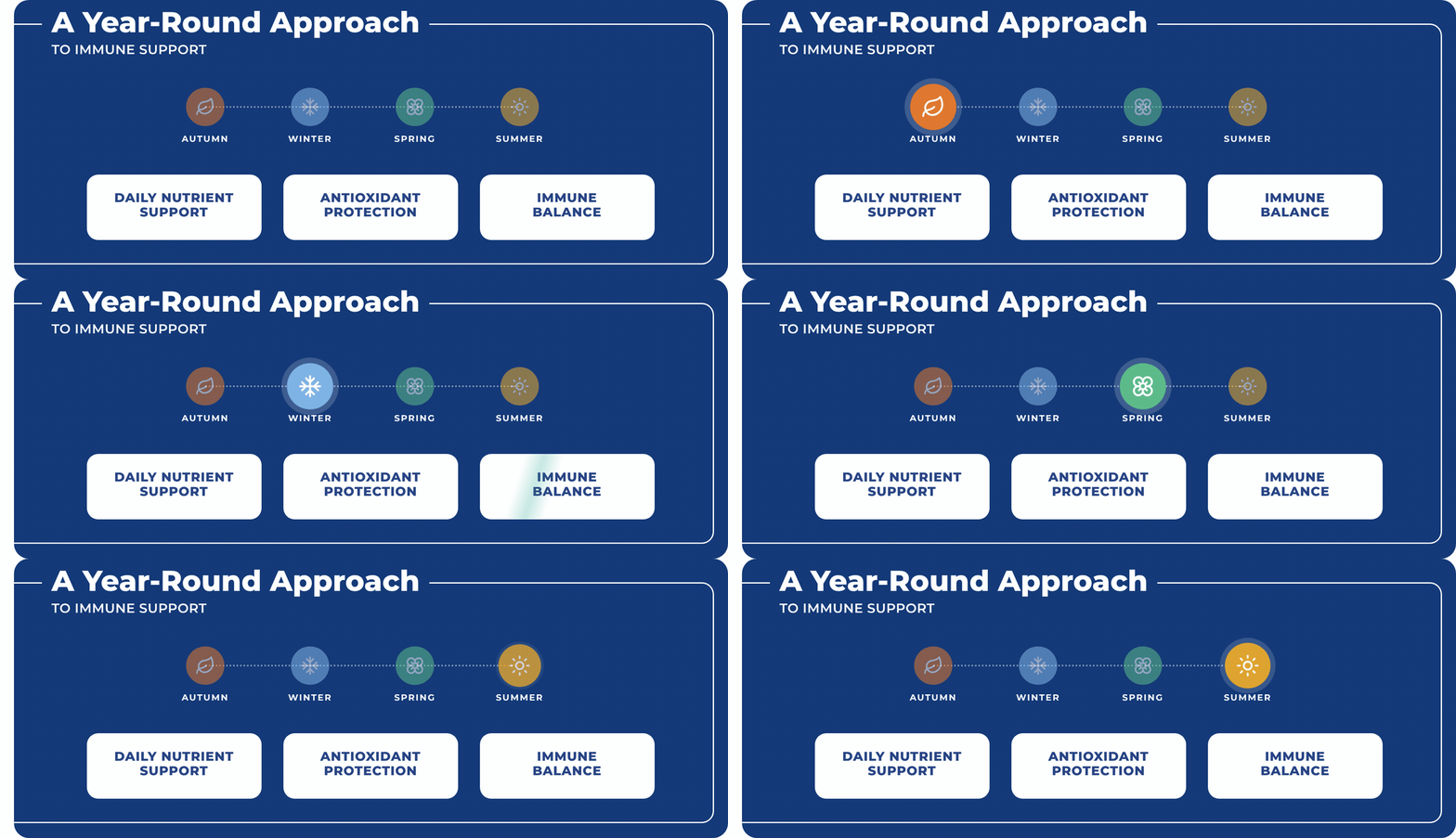
Many people think of immune support as a short-term project, something to start in November and drop by March. But cellular reserves are built through consistency, not urgency. Resilience comes from a daily habit of giving your body the raw materials, antioxidant protection, and signaling support it needs to stay balanced all year long.

So rather than waiting for the middle of winter to find out how strong your foundation is, start building it now, before your body needs to rely on it.